 By DoingBoing
1. What Is the International Day of the Arabian Leopard?
The International Day of the Arabian Leopard is observed every year on February 10. It was first introduced locally by the Royal Commission for AlUla (RCU) in 2022, later elevated by the United Nations in 2023 (Resolution 77/295), and celebrated globally for the first time in 2024 at UN Headquarters in New York.
The aim?
- Raise awareness of the Arabian leopard’s plight.
- Mobilize global support for conservation.
- Encourage cooperation among governments, NGOs, scientists, and local communities.
- Highlight biodiversity’s importance in maintaining healthy ecosystems.
This day is now a flagship event in the UN’s Decade on Ecosystem Restoration.
2. Meet the Arabian Leopard – Nature’s Rare Jewel
Unique Traits
- Smallest leopard subspecies (Males: 30–40 kg, Females: 25–35 kg).
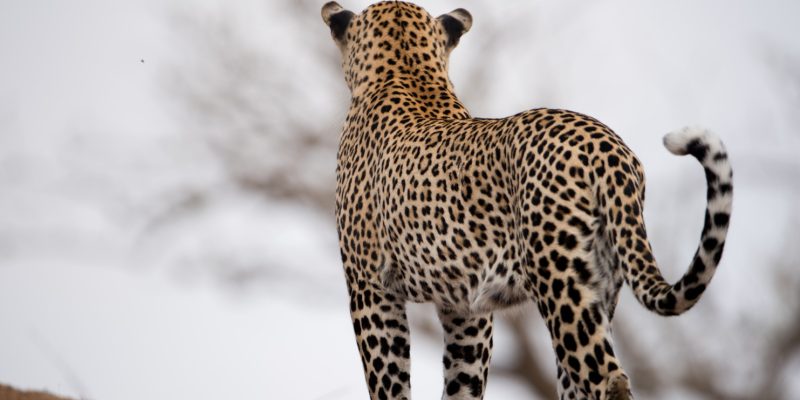
- Distinct pale yellow to buff coat with small, closely packed rosettes.
- Exceptional ability to survive in arid mountains and deserts.
Distribution
Once widespread across the Arabian Peninsula, today the leopard is confined to isolated habitats in:
- Saudi Arabia
- Oman
- Yemen
- United Arab Emirates
Population Status
The IUCN Red List classifies the Arabian leopard as Critically Endangered. Current estimates:
- Wild population: ~120 individuals (and declining).
- Captive population: ~40+ in specialized breeding centers.
3. Why the Arabian Leopard Matters
The Arabian leopard is more than a predator—it’s a keystone species. Its presence maintains ecological balance by regulating prey populations like gazelles and ibex.
Without it, ecosystems risk collapse, leading to:
- Overpopulation of herbivores → vegetation loss.
- Decline in biodiversity → weaker ecosystems.
- Cultural loss → the Arabian leopard is a symbol of heritage in Saudi Arabia and Oman.
4. Threats to Survival
- Habitat Loss
Expansion of cities, roads, and farms fragments leopard territory. - Prey Depletion
Hunting and overgrazing by livestock reduce natural prey like ibex and gazelles. - Human Conflict
Leopards often attack livestock when wild prey is scarce, leading to retaliation (poisoning, shooting). - Poaching & Illegal Trade
Leopards are hunted for skins or captured for illegal wildlife trade. - Climate Change
Increasing aridity threatens prey availability and habitats.
5. Conservation Efforts – Glimmers of Hope
5.1 Regional Leadership
- Saudi Arabia’s Royal Commission for AlUla (RCU):
- Established Arabian Leopard Fund ($25 million).
- Opened a breeding center—welcomed 7 cubs in 2023.
- Protects Sharaan Nature Reserve (1,500 km²).
- Oman:
- Home to Jabal Samhan Nature Reserve—a leopard stronghold.
- UAE & Yemen:
- Support captive breeding and reintroduction projects.
5.2 Global Partnerships
- Partnership with Panthera, the big cat conservation NGO.
- UN and NGOs align conservation with Sustainable Development Goals (SDGs).
5.3 Public Awareness Campaigns
- #CatWalkTrails: 7 km awareness walks across AlUla.
- Quest for Hope (Roblox, Decentraland): Digital conservation gaming for youth.
- School & community programs across the Gulf.
6. Celebrating the International Day of the Arabian Leopard
How is February 10 observed?
- Global Events: UN panels, embassy programs, conservation summits.
- Community Activities: Awareness walks, eco-tours, educational workshops.
- Digital Activations: Social media campaigns (#InternationalDayoftheArabianLeopard).
- Educational Drives: Documentaries, lectures, and art competitions for youth.
Every year, the celebration grows—bridging science, policy, and community passion.
7. How You Can Help
- Raise Awareness → Share posts, use hashtags, talk about it.
- Support Conservation Funds → Donate to RCU or Panthera projects.
- Reduce Human-Wildlife Conflict → Promote eco-friendly grazing practices.
- Volunteer → Join wildlife NGOs or participate in eco-programs.
- Educate Children → Inspire the next generation to love and protect wildlife.
8. International Day of the Arabian Leopard and Global Biodiversity
This day aligns with global conservation frameworks:
- UN Decade on Ecosystem Restoration (2021–2030).
- Kunming-Montreal Global Biodiversity Framework.
- SDG 15: Life on Land.
By saving the Arabian leopard, we protect entire ecosystems.
9. FAQs – International Day of the Arabian Leopard
- What is the International Day of the Arabian Leopard?
It’s a UN-recognized day, celebrated every February 10, to raise awareness and protect the Arabian leopard. - Why is the Arabian leopard critically endangered?
Due to habitat loss, prey decline, poaching, and human conflict. - How many Arabian leopards are left?
Fewer than 200 in the wild, with around 40 in captive breeding programs. - When did the UN officially recognize this day?
In June 2023, through Resolution 77/295. - How can I celebrate this day?
Join awareness events, donate, participate in CatWalk Trails, or share online campaigns. - Why does conserving the Arabian leopard matter?
It’s a keystone species—its survival ensures ecosystem balance. - Which countries are involved in conservation?
Primarily Saudi Arabia, Oman, UAE, and Yemen, with global partners like Panthera.
10. Final Thoughts – A Leap of Hope
The International Day of the Arabian Leopard isn’t just about saving one species—it’s about saving balance, heritage, and hope.
Every February 10, the world unites for this rare big cat. By protecting it, we protect ourselves—our ecosystems, our cultures, and our future.
So, on the next International Day of the Arabian Leopard, remember: Your voice matters. Your actions matter. Together, we can ensure that this elusive predator’s roar is never silenced.
What's your reaction?